Sustainable Urban Design in Bandung, Indonesia
Overview
Role
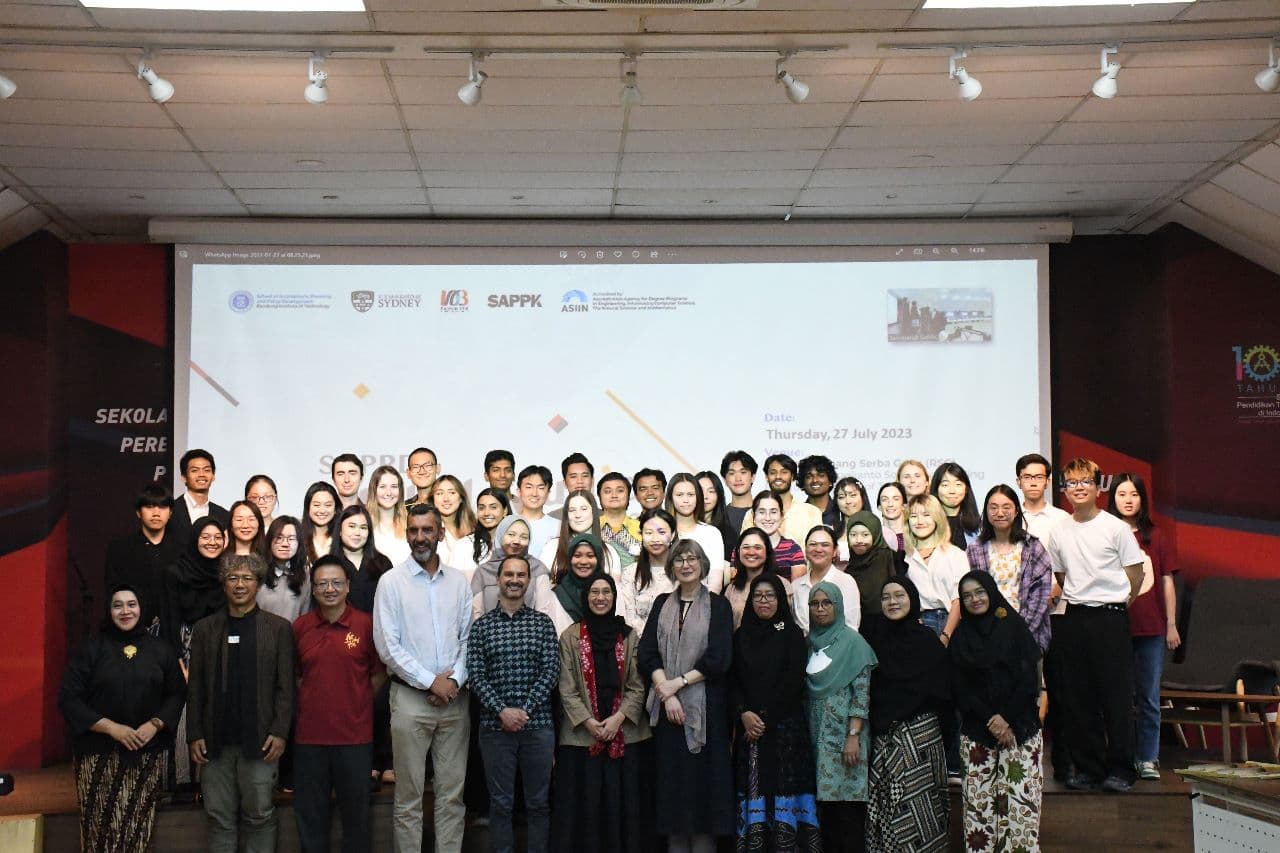
Me (Researcher) + product designers, urban designers, and business majors from China, Indonesia, and Australia
Duration
16th–29th July 2023 (2 Weeks)
Location
Bandung, West Java, Indonesia
Tools
ArcGIS, Avenza Maps, FigJam
Expertise
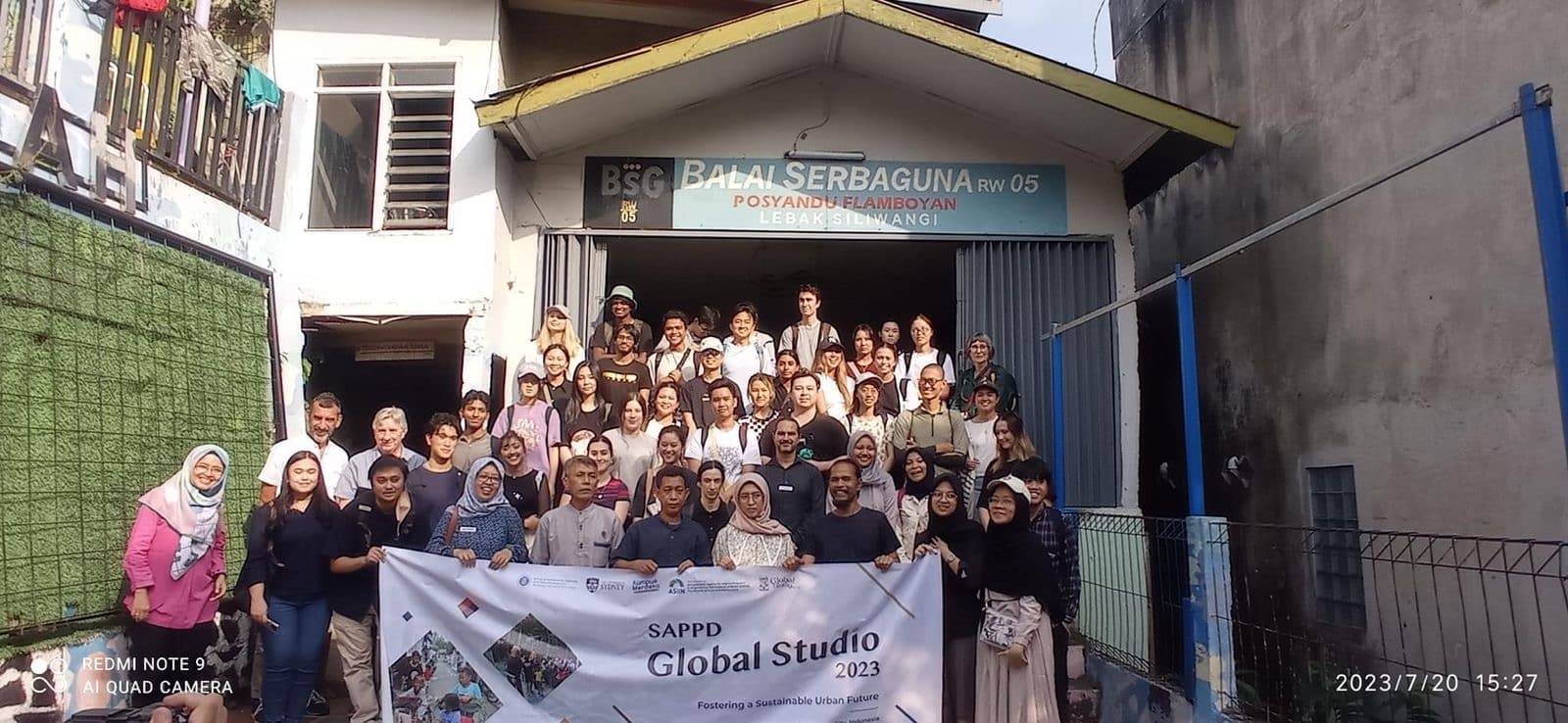
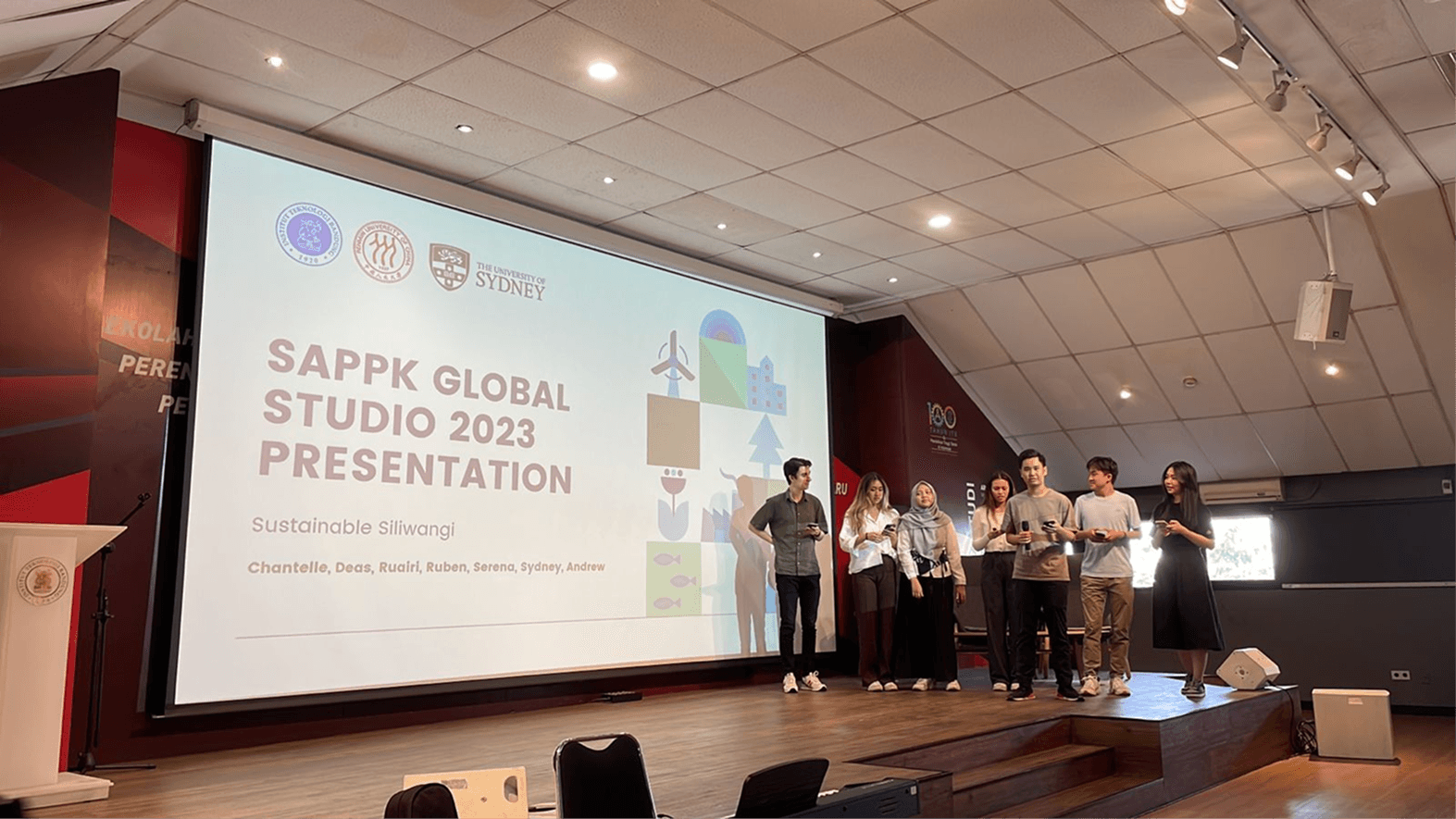
As part of an international collaboration with the Bandung Institute of Technology (ITB) and the Renmin University of China, this intensive design studio, focused on exploring pathways to implement UN Sustainable Development Goal 11: Sustainable Cities and Communities in the context of the Global South.
Spending two weeks on-site in Bandung, Indonesia, I worked alongside local and global peers and academics to investigate urban challenges shaped by the city's social, cultural, and environmental landscape. Applying Design Thinking methods and engaging in cross-cultural collaboration, we conducted ground research and co-designed urban interventions aimed at reimagining public spaces, services, and community systems.
* This was a 2-week intensive studio with cross-disciplinary teams. Please contact me for more information at serenahuang806@gmail.com.



Problem
Informal settlements face systemic gaps in solid waste management
Lebak Siliwangi, a kampung (informal settlement) in Bandung, Indonesia, faces significant solid waste management challenges. Informal and inconsistent disposal systems result in waste accumulation in waterways, public spaces, and drainage systems, contributing to environmental pollution and health risks for residents.
Aligned with UN SDG 11.6, our goal was to reduce the enviœronmental impact of cities by improving waste collection and management systems, while respecting the community's existing informal practices and socio-economic constraints.
Research
Doing the Research
Before diving into user research, we needed to understand the context in which we were designing.
Our Research Aim: to effectively promote responsible solid waste management, reducing the amount of solid waste ending up in waterways and public spaces.
To support our aim, we underwent extensive secondary research — reviewing different programs and past works to contextualise our own response to responsible waste management for Lebak Siliwangi. Key areas of review included:
- Existing waste management programs in comparable kampung settlements across Southeast Asia.
- Government policy frameworks and SDG 11.6 implementation efforts in Indonesian cities.
- Behavioural and socio-economic drivers of informal waste disposal practices.
I knew that secondary research could only take me so far — I needed to embed myself in the community to understand how waste really moves through this landscape.
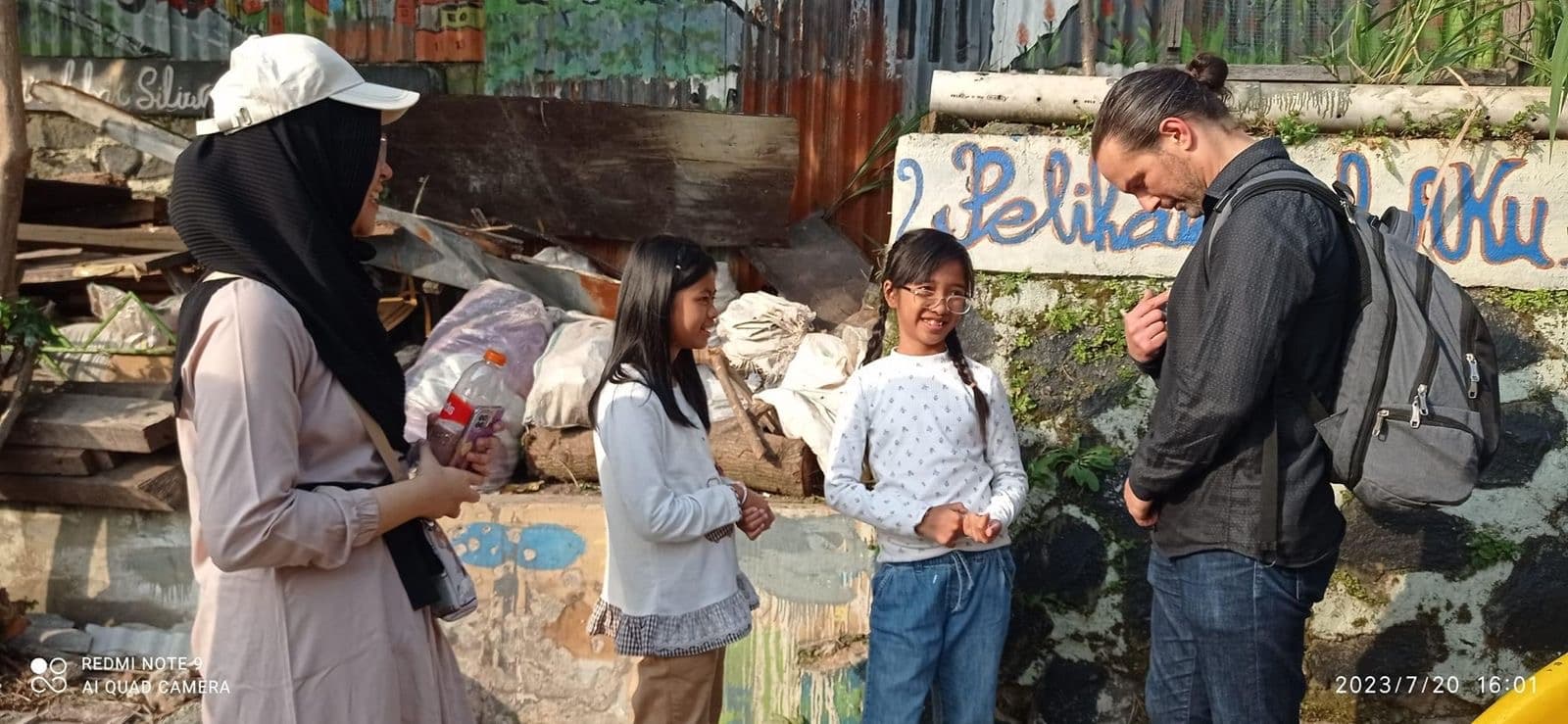
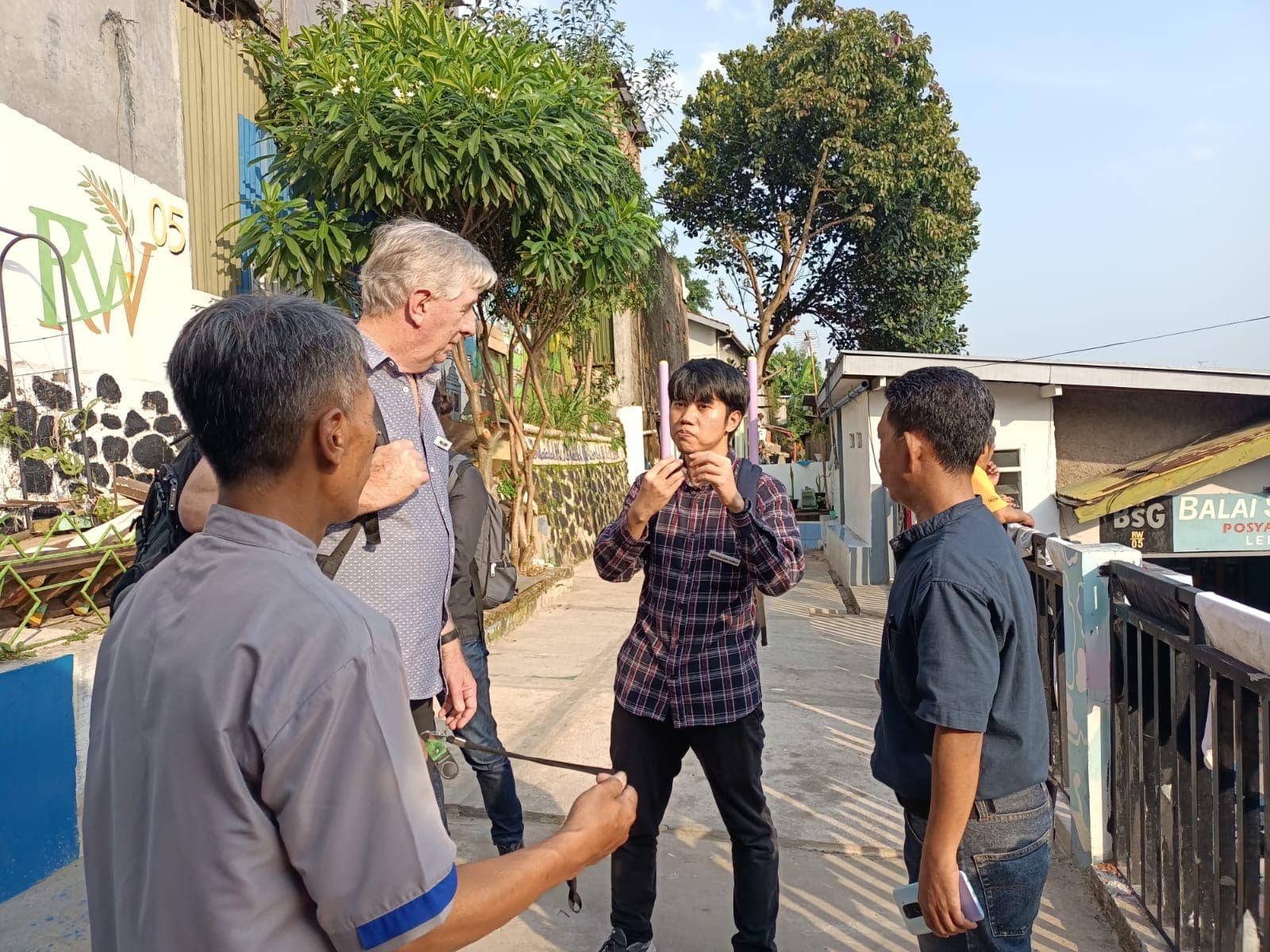
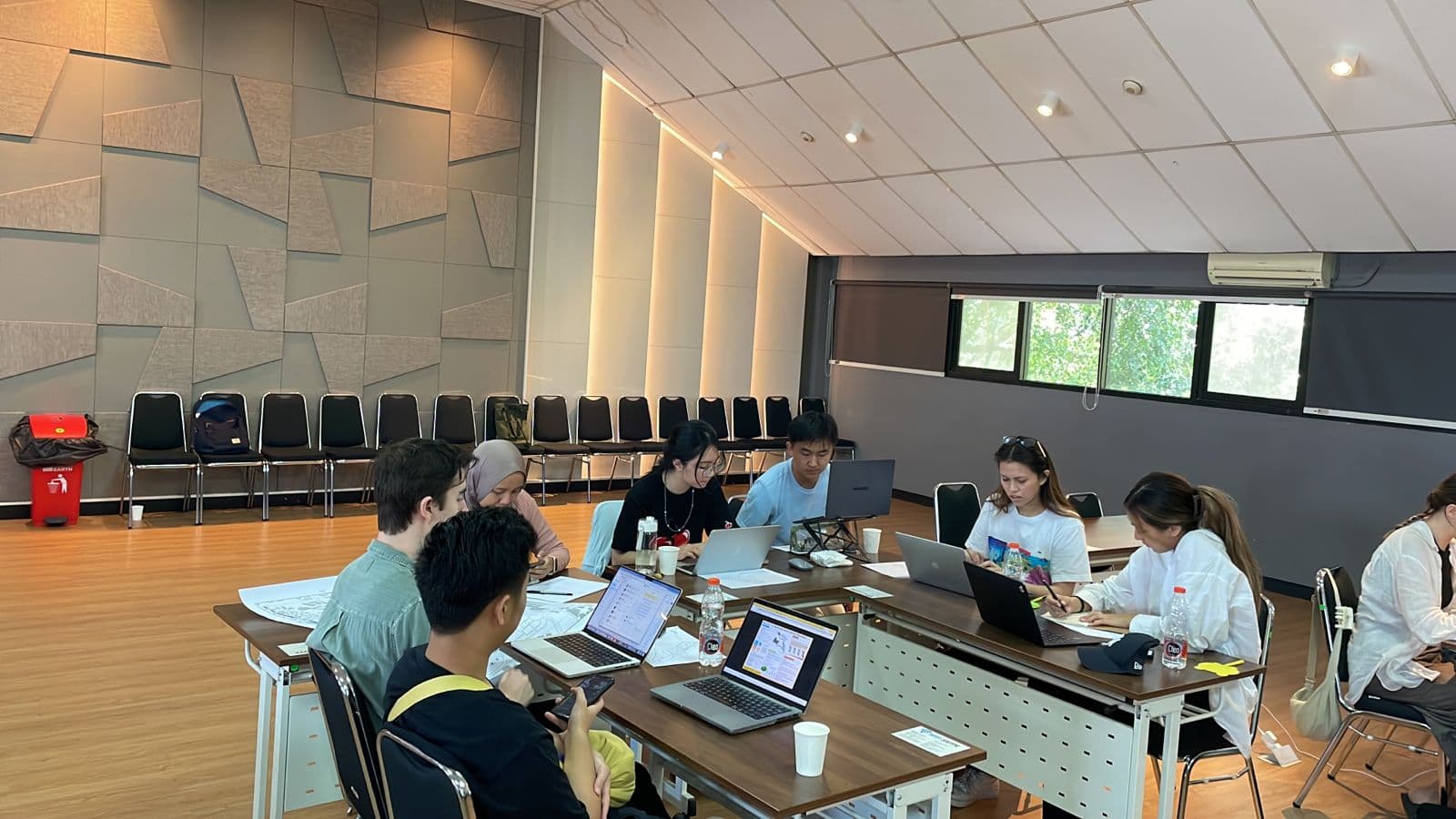
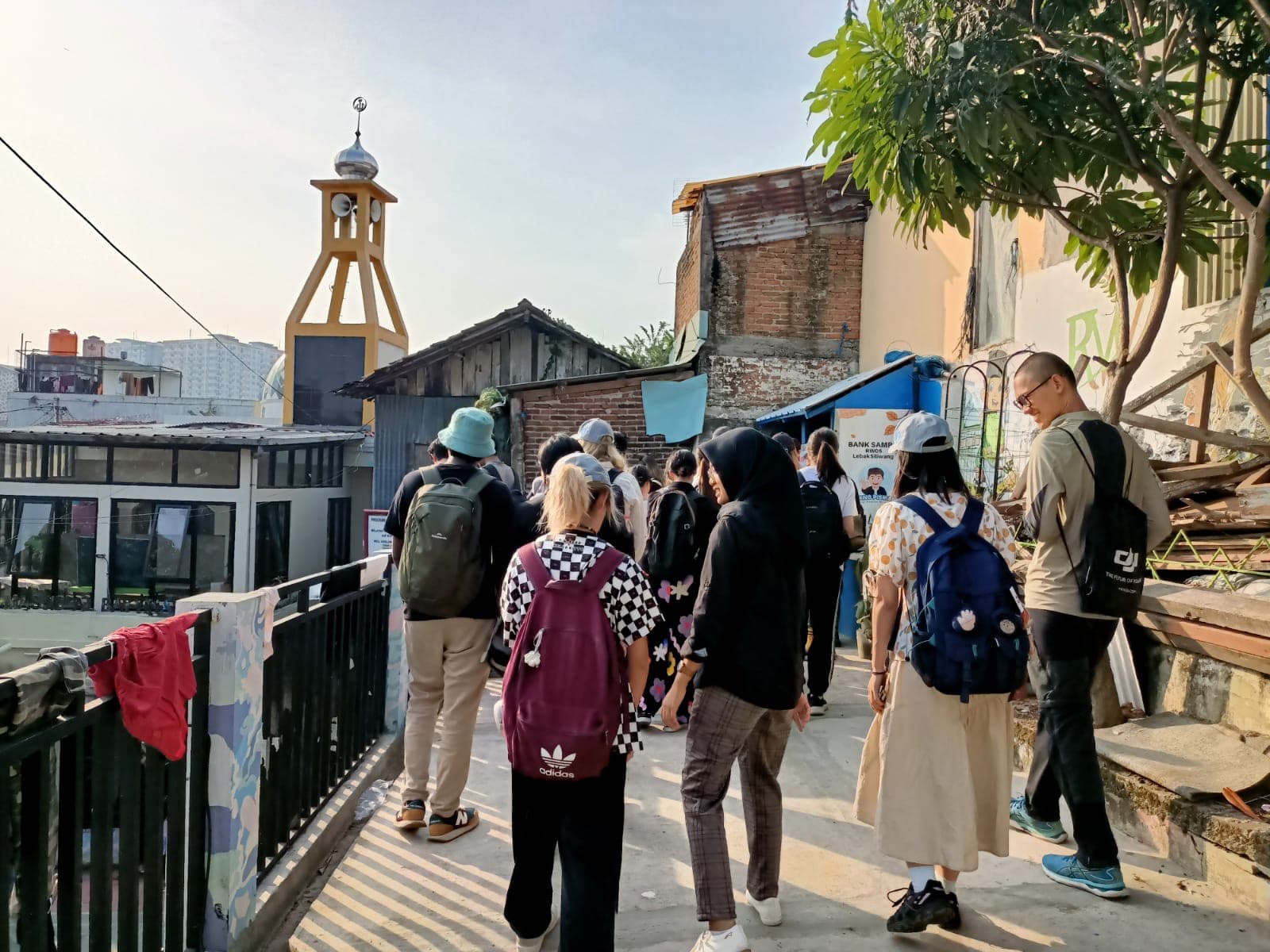
From there, our team began conducting primary research, employing a mixed-methods, field-based research process to understand the complexities of waste management in the kampung.
24
Field Observations
Using Avenza Maps to document disposal behaviors, dumping hotspots, and narrow alleyways
20
Semi-structured Interviews
With residents and local RW leaders on waste practices and community attitudes
52
Survey Responses
Collecting quantitative data on disposal preferences and perceived barriers
We then triangulated the results of these research methods to best inform our mapping and typology analysis using ArcGIS, informed by both primary and secondary data.
Findings
What did we find?
To understand the existing waste management systems in Lebak Siliwangi, I conducted a typological analysis of both formal and informal waste disposal systems.
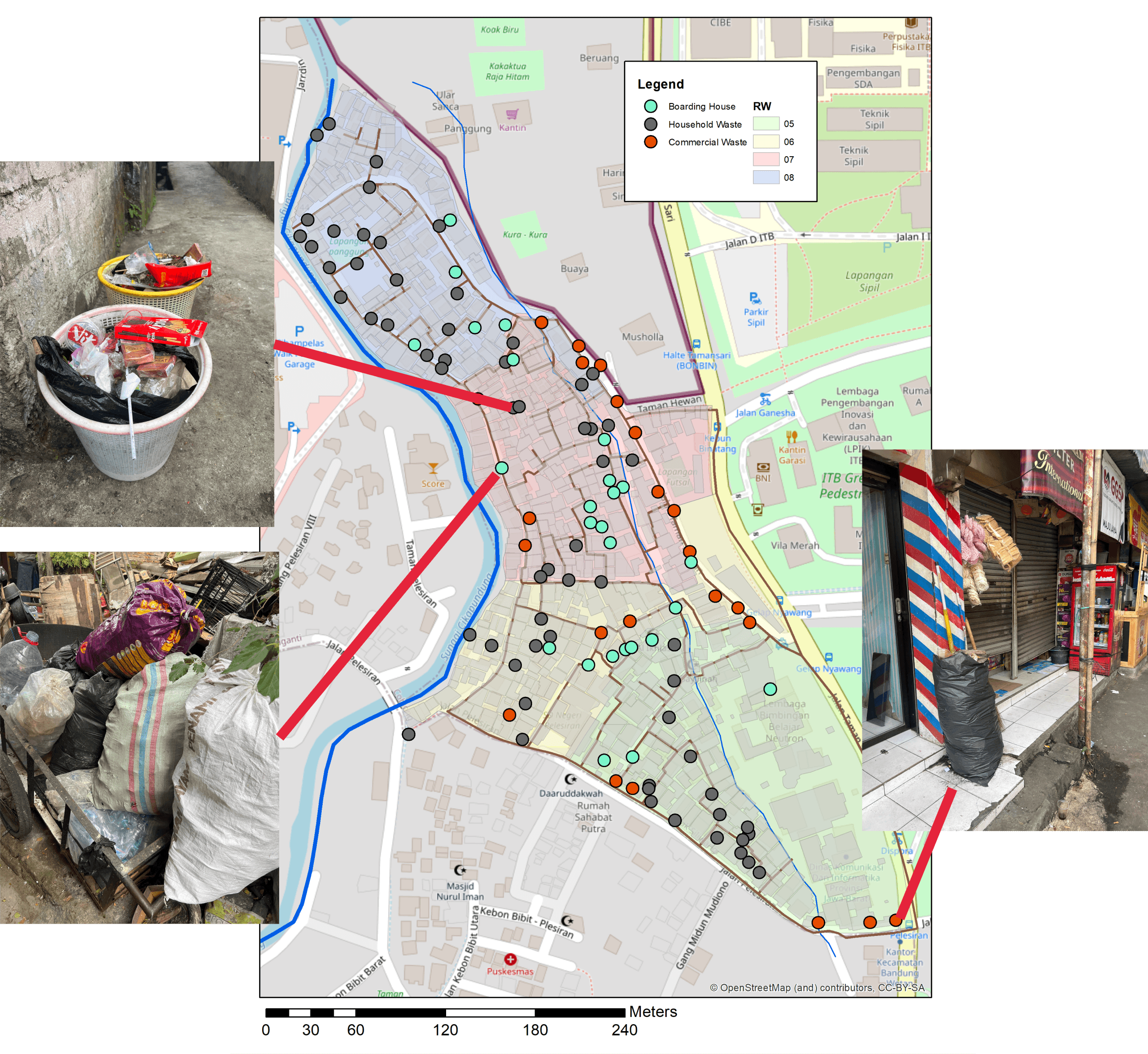
Where solid waste is produced
The production size of waste is correlated to the function of the space in which it is produced.
Commercial and Boarding House establishments generate more waste
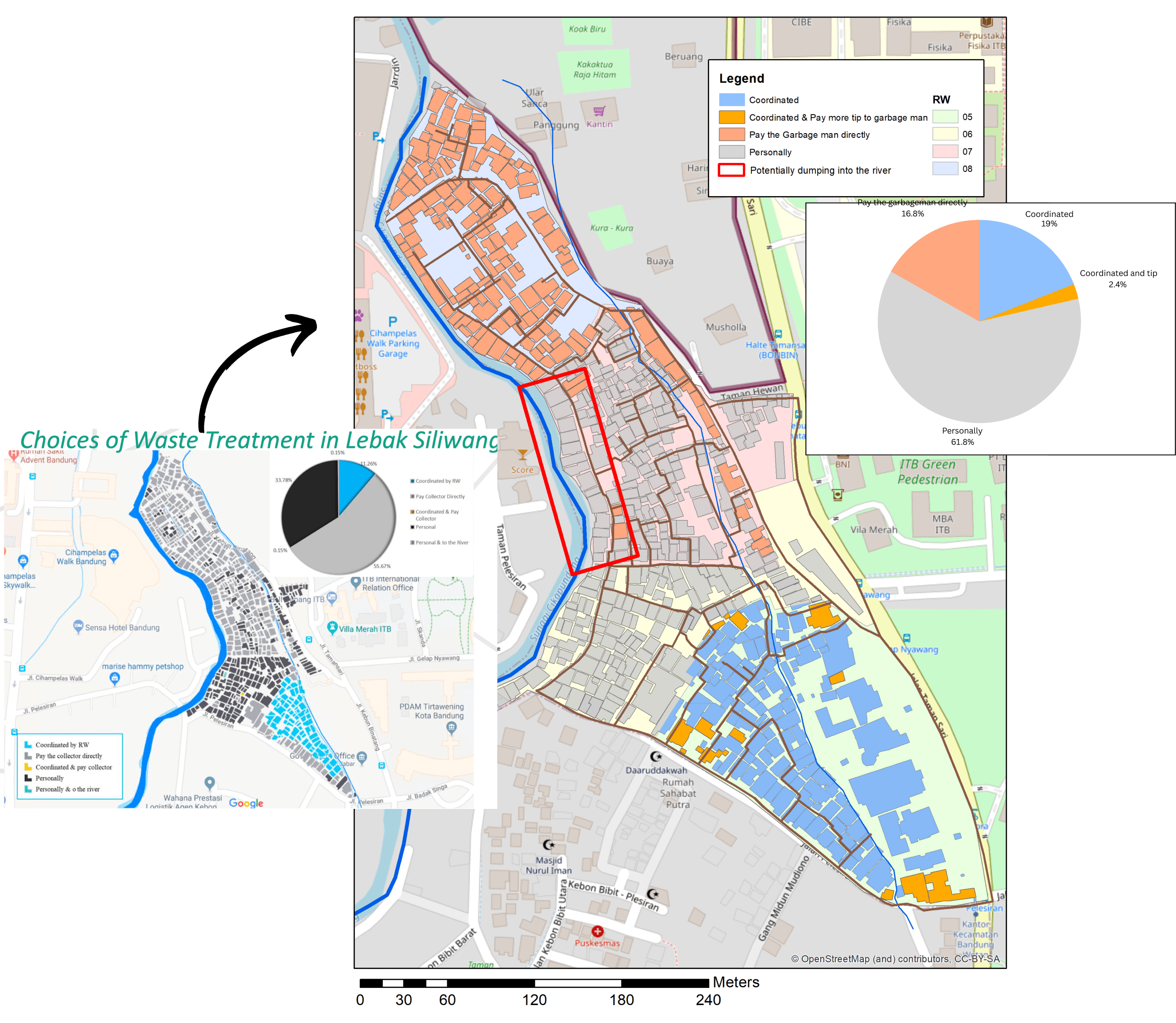
How solid waste is produced
Changes from pre-pandemic to post-pandemic.
- 28% increase in personal waste removal.
- 8% increase in coordinated systems
- Increased usage of boarding houses in the post-pandemic era has caused a new type of waste collection (2.4%).
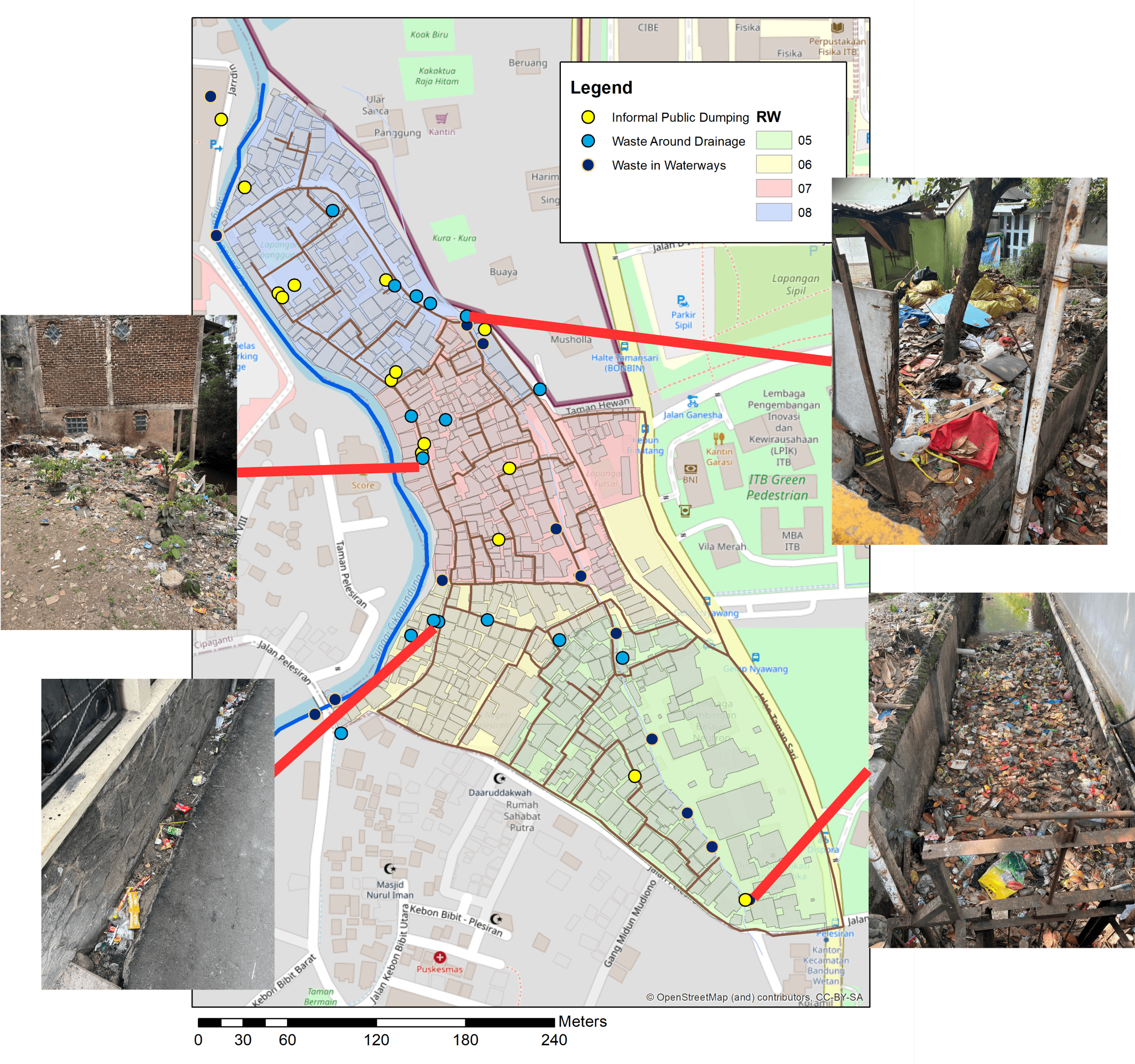
Where and Why solid waste congregates in certain sites
- Reduced infrastructure and services
- Reduced amounts of foot traffic
- The form of hollow drains.
- Wastage was consistently found along the river and congregated at the end
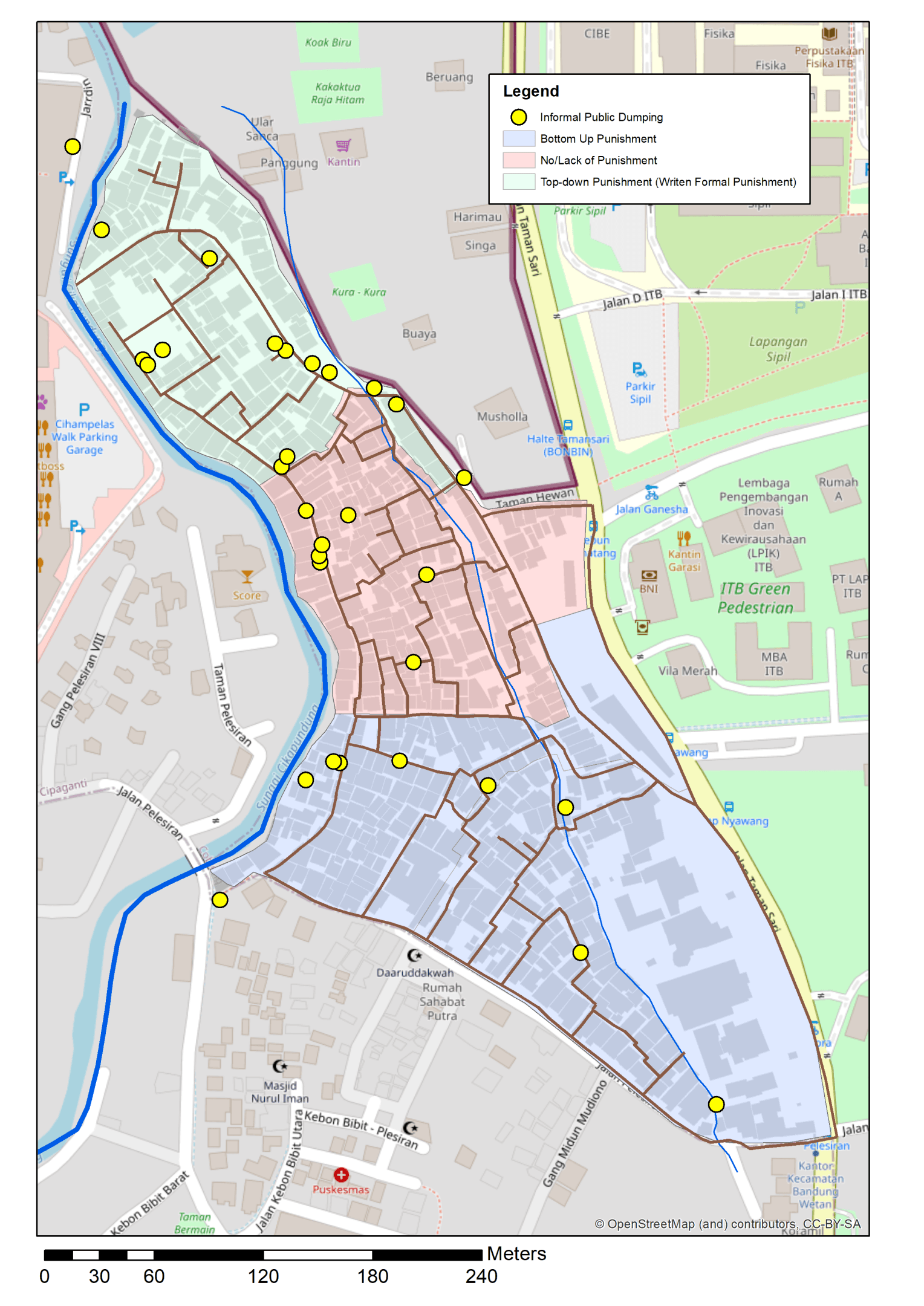
Where and What types of countermeasures against littering are enforced
- RW 5: Social media as an avenue for public ostracisation
- RW 6: Verbal warning from residents who see it
- RW 7: No specified counter-measures in place
- RW 8: CCTV monitoring and fine if caught (1.2 million rp)
- Combination of formal/informal, top-down/bottom-up measures.
- Formal measures have not prevented littering.
- Use of negative reinforcement.
After conducting our own research, we turned to look at existing waste management practices in other informal settlements around the world, assessing what worked, what failed, and how interventions could be adapted to Lebak Siliwangi's context.
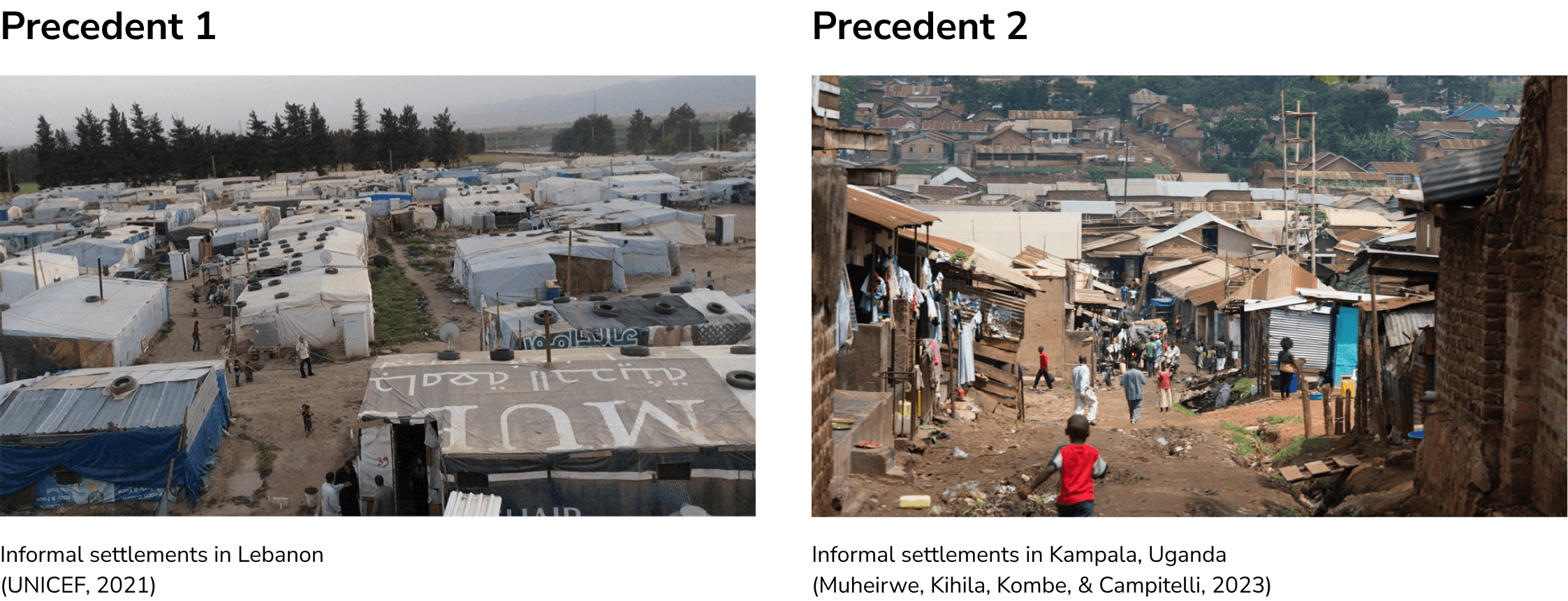
Key Findings
01
One-size-fits-all solutions don't work – Successful interventions tailor their approach to the local social, economic, and infrastructural realities rather than imposing standardized models.
02
Informal networks are valuable, not barriers – While informal systems are often seen as disorganised, case studies showed that leveraging these existing structures, rather than replacing them, improved adoption rates.
03
Community participation is essential – Programs that solely rely on government interventions are unsustainable in the long-term.
04
Financial sustainability determines longevity – Many initiatives failed due to inconsistent funding.
Analysis
What are the Opportunities and Constraints?
What can we learn from what has been done before? One-size-fits-all solutions never work — successful interventions always start with the community.
Opportunities & Constraints
Constraints: Addressing Systemic Barriers
Limited Infrastructure — Narrow alleyways and irregular road access make conventional waste collection infeasible, requiring localised, decentralised disposal strategies.
Fragmented Governance — Waste management is divided between municipal and informal actors, leading to gaps in service and accountability.
Economic Barriers — Without financial or social incentives, long-term engagement in sustainable waste practices may decline.
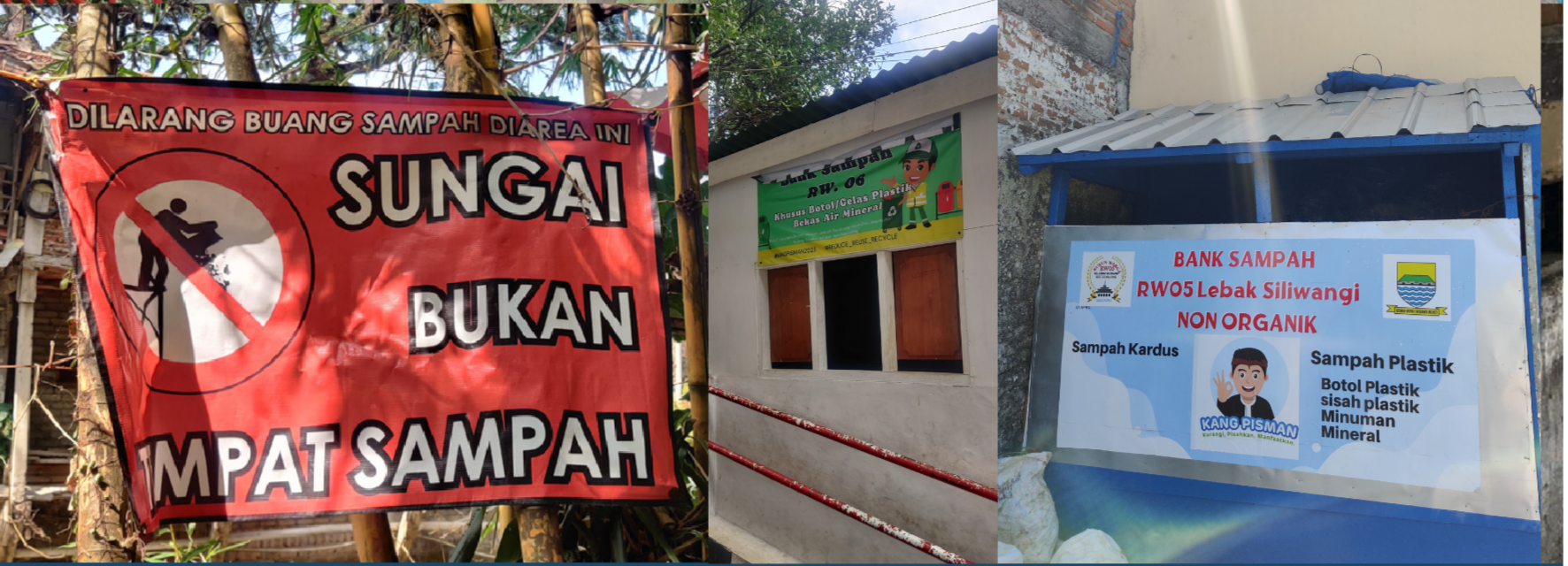
Opportunities: Leveraging Community Strengths
Community-Led Solutions — Existing self-organised cleanup efforts can be reinforced with structured incentives and participatory engagement to sustain long-term impact.
Leveraging Informal Networks — Formalising the role of RW leaders and waste collectors can create a more efficient and trusted waste management system.
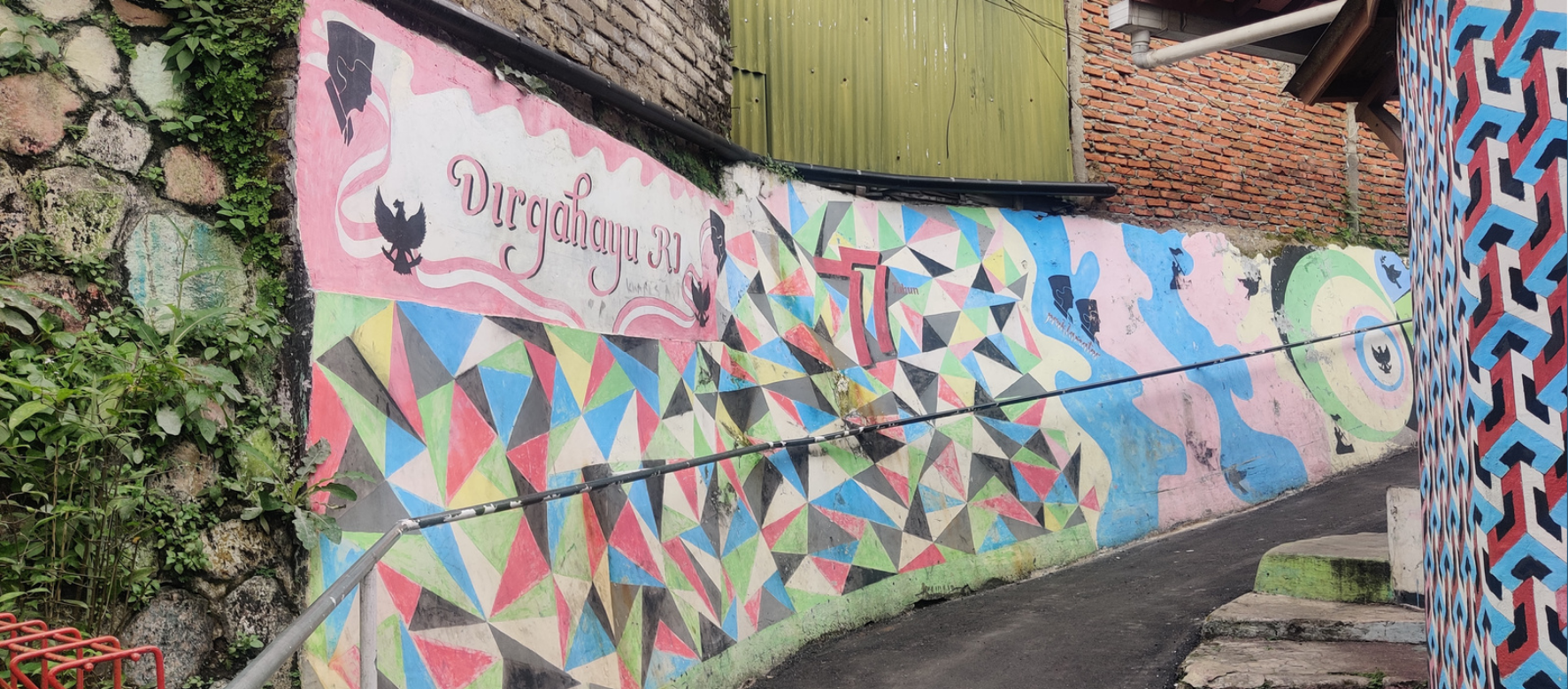
Low-Cost, Scalable Interventions — Creative, behaviour-driven solutions like gamified waste bins and educational murals can foster lasting behaviour change without heavy infrastructure investment.
Impact & Next Steps
Designing for context-specific solutions
Understanding these insights, I focused on designing interventions that aligned with the community's existing behaviours, infrastructure limitations, and governance structures. Our proposed solutions prioritised economic viability, cultural sensitivity, and environmental sustainability.
Our solutions addressed the unique needs of Bandung while promoting balanced relationships between people, the built environment, and nature — demonstrating that meaningful change in informal settlements must emerge from within communities, not be imposed upon them.
Key proposed interventions:
Art as education
- Expanding on existing art
- Using art to inform
- Involving whole community
Gamifying Waste Disposal
- Emphasising positivity and playfulness
- Low cost
- Appeals to children
- Builds a sense of place
Learnings
Reflections
This project was an eye-opening experience that fundamentally challenged me to rethink urban sustainability through a user-centred lens, reinforcing that good design is not about imposing external solutions rather, about working with existing community systems to create meaningful, lasting change.
Coming from an urban environment in the Global North, I initially saw informality as a lack of structure — a problem to be fixed. Through embedding ethnographic research, participatory design, and systems thinking in Lebak Siliwangi, I gained a new perspective: informal systems are not broken; they are adaptive, resourceful, and deeply communal.
Designing with, not for, the community
Effective interventions don't arrive from outside — they emerge from deep engagement with local knowledge, existing practices, and community motivations. Our most grounded ideas came from conversations in the field, not the studio.
Adaptability is a research skill
Working in a new cultural and spatial context required constant recalibration. I had to let go of preconceptions about what 'good' waste management looks like and allow the community's reality to redefine the problem space entirely.
Design should always start with empathy
It's easy to approach sustainability from a macro-level, data-driven perspective, but true impact happens at the intersection of lived experience and practical feasibility. This experience reinforced my commitment to context-sensitive, participatory research.
~ Serena
Next Project
Digital Health Internship